
Flashes, Floaters and Shadows - Spotting the Signs of Retinal Detachment
Most of us have noticed the odd floater drifting across our vision, or a quick flash of light when we stand up too fast. Usually it’s nothing to worry about. But sometimes those same symptoms are your eye’s way of waving a red flag — and one condition you never want to ignore is retinal detachment.
It’s not common, but when it happens, time really does matter. The sooner it’s picked up and treated, the better the chance of protecting your sight. So it’s worth knowing what to look out for.
What actually is the retina?
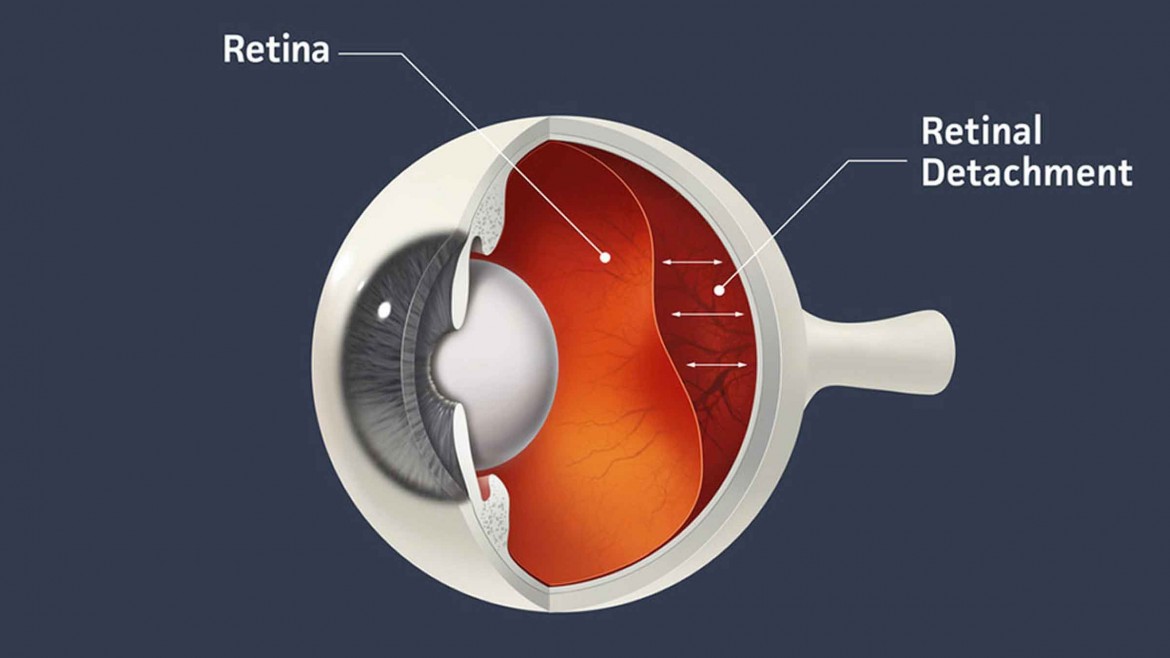
Think of your retina as the film in a camera. It’s a thin, light-sensitive layer lining the back of your eye. When light enters, the retina captures it and sends those signals to your brain, which turns them into the images you see.
A retinal detachment happens when this layer peels away from the supporting tissue behind it. Once it’s lifted away, it can’t do its job properly — and the cells that have detached begin to lose their blood and oxygen supply. That’s why it’s treated as a medical emergency.
The warning signs to watch for
Retinal detachment is usually painless, which is exactly why it can catch people off guard. Instead of pain, your eye sends visual signals. The most common are:
- A sudden increase in floaters — those little specks, threads or cobweb-like shapes that drift across your vision. A shower of new floaters appearing all at once is a key warning sign.
- Flashes of light — brief sparks or streaks of light, often more noticeable in dim conditions or off to the side of your vision.
- A shadow or curtain — a dark area creeping in from the edge of your vision, as though a curtain is being slowly drawn across part of what you can see.
- Blurred vision or a sudden change in how clearly you can see.
If you notice any of these — especially a curtain or shadow — don’t wait to see if it settles. This is the moment to act.
Why every hour counts
When the retina detaches, the affected cells start to deteriorate. Caught early, while the detachment is small, treatment is often very effective and much of your vision can be preserved. Left too long, the damage can become permanent.
The good news is that retinal detachment is highly treatable when found in time. Treatment is almost always surgical, and your optometrist or ophthalmologist will recommend the right approach based on the type and severity. The single biggest factor in a good outcome is simply how quickly you’re seen.
Who’s more at risk?
Retinal detachment can happen to anyone, but some people are more likely to experience it. You may be at higher risk if you:
- Are over the age of 50
- Are very short-sighted (highly myopic)
- Have had a previous retinal detachment in your other eye
- Have a family history of the condition
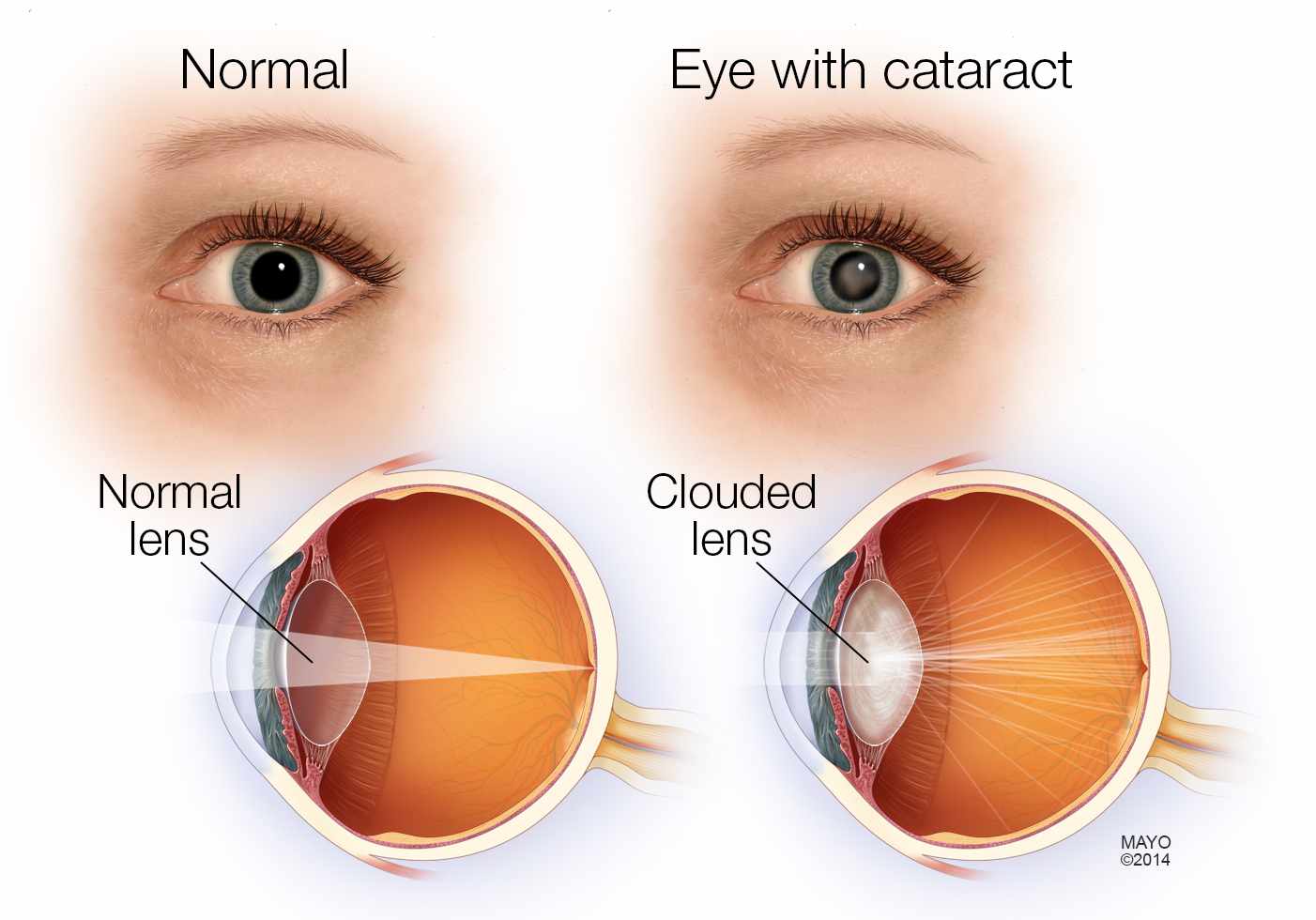
- Have had cataract surgery or another eye operation
- Have had a significant eye injury
- Have certain other eye conditions, such as lattice degeneration
If any of these apply to you, regular comprehensive eye examinations become even more important — they allow us to spot early changes at the back of your eye long before they cause trouble.
What to do if you notice the signs
If you experience a sudden burst of floaters, flashes of light, or a shadow over your vision, contact us straight away. Don’t put it off until your next routine check-up. If you can’t reach us and your symptoms are severe or worsening, head to your nearest hospital emergency department or after-hours eye service.
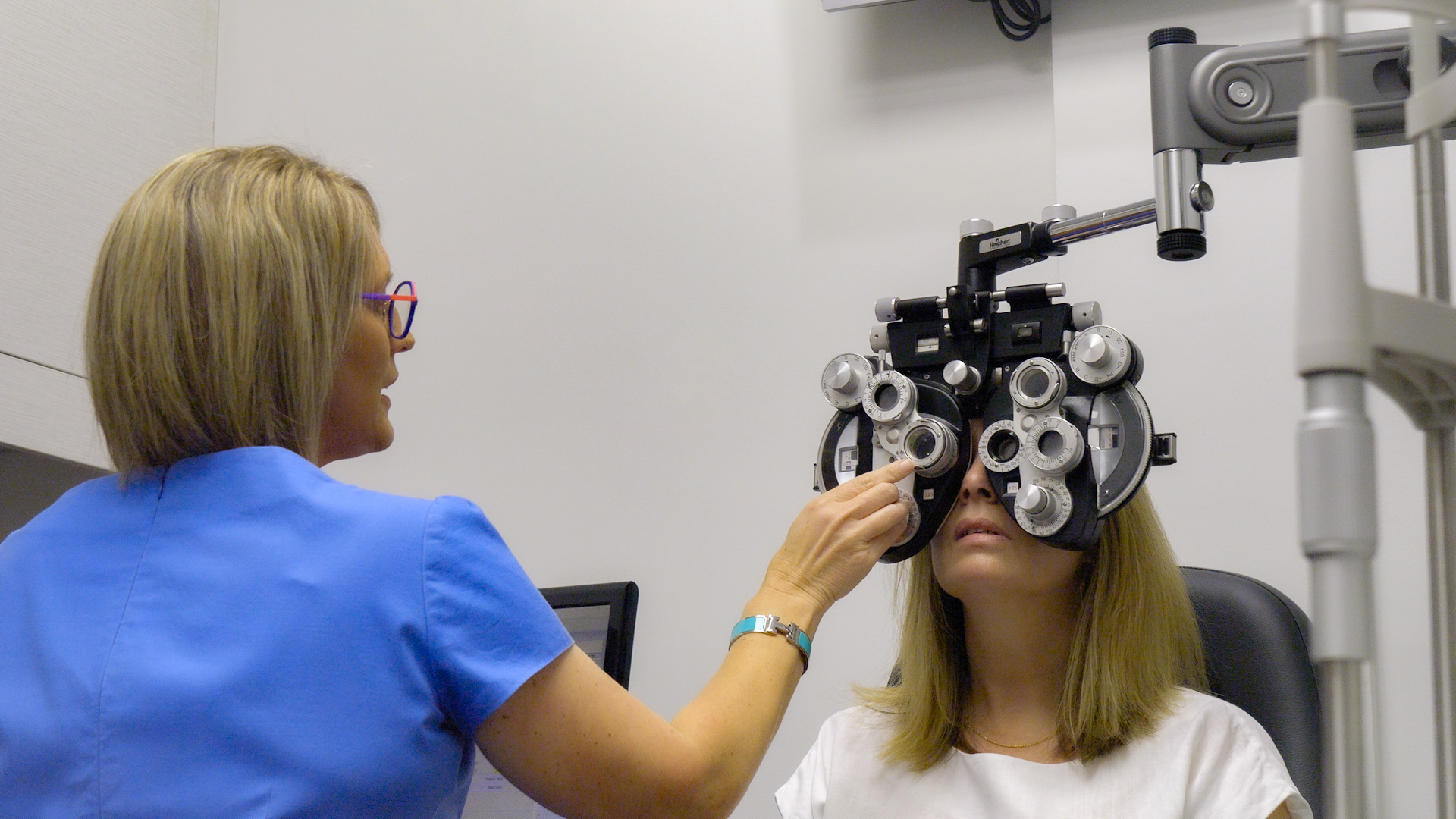
A thorough eye examination allows us to look carefully at your retina and, if needed, arrange an urgent referral to a specialist. Acting quickly gives your sight the best possible chance.
Looking after the eyes behind the everyday
Your eyes work hard for you every single day, and most of the time they do it quietly in the background. A regular eye exam isn’t just about updating your glasses — it’s a check on the health of your eyes, including the parts you can’t see for yourself.
If something doesn’t look right, trust your instincts and get it checked. We’re always here to help.
Book a comprehensive eye examination with the team at Grant & Douglas today — and if you’re seeing flashes, floaters or shadows right now, call us without delay.