
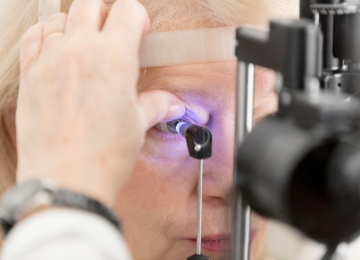
Glaucoma – the silent thief of sight!
Today marks World Glaucoma Day, Glaucoma is known as the “silent thief of sight”, often showing no symptoms until vision loss has already occurred.
The good news? Early detection through regular eye exams can help protect your sight.
If it’s been a while since your last eye check, today is your reminder.
Your future self will thank you.
Imagine if we could prevent the most common form of preventable blindness through an eye examination?
The number one PREVENTABLE cause of blindness in New Zealand is Glaucoma.
2% of New Zealanders over the age of 40 and more than 10% of people over the age of 80 have glaucoma. It is estimated that half of those people don’t know they have it.
Glaucoma is silent. You don’t see it coming. It sneaks up on you and by the time it has progressed considerably, you may have lost a significant amount of sight.
Glaucoma is the name given to a group of eye diseases causing the slow death of the optic nerve at the back of the eye. The nerve fibers progressively die, taking away your peripheral (side) vision first. Visual loss is slow and often undetected until very advanced, and is irreversible. The damage is most often due to increased pressure inside the eye.
Although anyone can get glaucoma, you have a higher risk of getting the disease if you are over 60 years, have a family history of glaucoma, are short sighted, have high blood pressure, have past or present use of steroid drugs and/or a previous eye injury.
The most common form of glaucoma is Open Angle Glaucoma which has no symptoms until eyesight is lost at a late stage of the disease, but can be successfully treated if detected early.
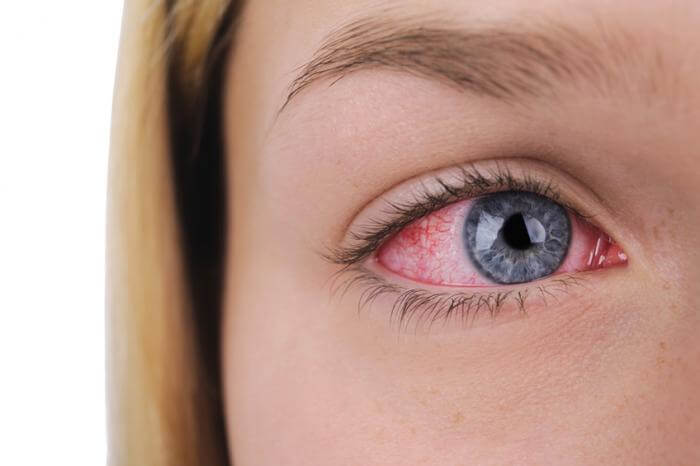
Another, less common, form is called Angle Closure Glaucoma. This can develop rapidly with symptoms of blurred vision, loss of side vision, seeing coloured halos around lights, redness of the eye, nausea and vomiting and pain in the eye. This form of glaucoma can be prevented long before it happens if you have a regular eye examination to detect the risk factors.
The aim of glaucoma treatment is to prevent loss of vision and treatment is most effective when started early.
“Don’t make the mistake of thinking “My vision is fine so I can’t have glaucoma”. It is often too late to treat glaucoma effectively if we wait until there is noticeable vision loss”. Says Jenny
A simple eye pressure test will not detect glaucoma either. A full eye examination which assesses all the risk factors is required. This takes time – so don’t expect a short appointment. We recommend a regular eye examination every 2 years for healthy adults and more often if you have risk factors and to ensure early diagnosis and successful treatment.
Information sourced from nzao.co.nz and glaucoma.org.nz
- Are over age 60.
- Carry extra weight or have obesity.
- Placerat vestibulum lectus mauris ultrices eros
- Have a family history of eye disease.