
The effects of sun damage on your eyes can be severe
We all know the “Slip Slop Slap” jingle. More recently the term “wrap” has been added to the jingle as the need to protect our eyes from the long term effects of UV light has become more apparent.
In New Zealand we are exposed to high levels of UV radiation, especially when outdoors. There is a strong connection between UV radiation and eye damage. People who work or play in the sun for long periods of time e.g. farmers and surfers, are often exposed to high levels of UV light and are at the greatest risk.
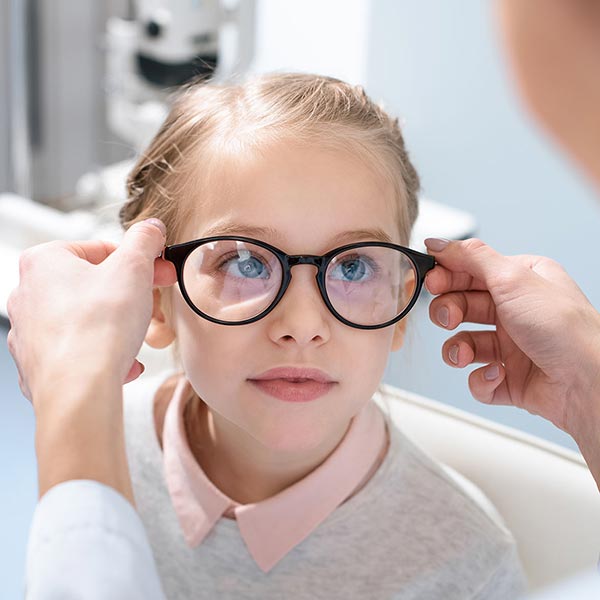
Children and teens are also vulnerable to UV rays because their eyes are not as developed as adults’ eyes. Some studies claim that much of the damage done to children’s eyes occurs before the age of 18 years. Therefore, children need to wear sunglasses as much as adults. Children often spend many hours outdoors and they usually have larger pupils than adults, meaning more light enters the interior of the eye.
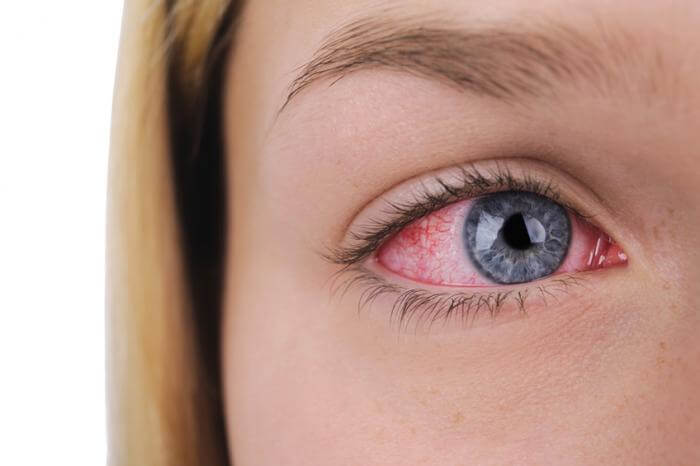
The cumulative effects of UV exposure are linked to several eye conditions, some of which can cause serious and irreversible loss of vision, and some are even life threatening. These include photokeratitis, pterygium, cataracts, cancer of the eye and eyelid area, and macular degeneration. The World Health Organisation suggests that up to 20% of cataracts may be caused by over exposure to UV radiation.
UV light is not visible and surprisingly, cloud cover doesn’t affect UV levels significantly. Your risk of UV exposure can be quite high even on hazy or overcast days. This is because UV radiation can penetrate the clouds.
Humans have evolved with mechanisms to protect the eye against the effects of UV radiation. The brow ridge, eyebrows, eyelashes, constriction of the pupil, closure of the eyelids and the squinting reflex all help to reduce the penetration of the sun’s rays into the eye. Unfortunately these protective mechanisms cannot completely keep out UV radiation, however we can protect our eyes further by wearing good quality sunglasses that comply with the Australian/New Zealand Standard and a broad brimmed hat.
Contact lenses are also available with a UV guard, but it is important to remember to provide extra protection for the outer eye as well. If you require prescription glasses and sunglasses, these are available with UV protective coatings.
Your optometrist will be able to advise you on any UV related eye conditions, and with an eye examination will be able to tell if you are at risk of developing these.
Information sourced from NZ Association of Optometrists