
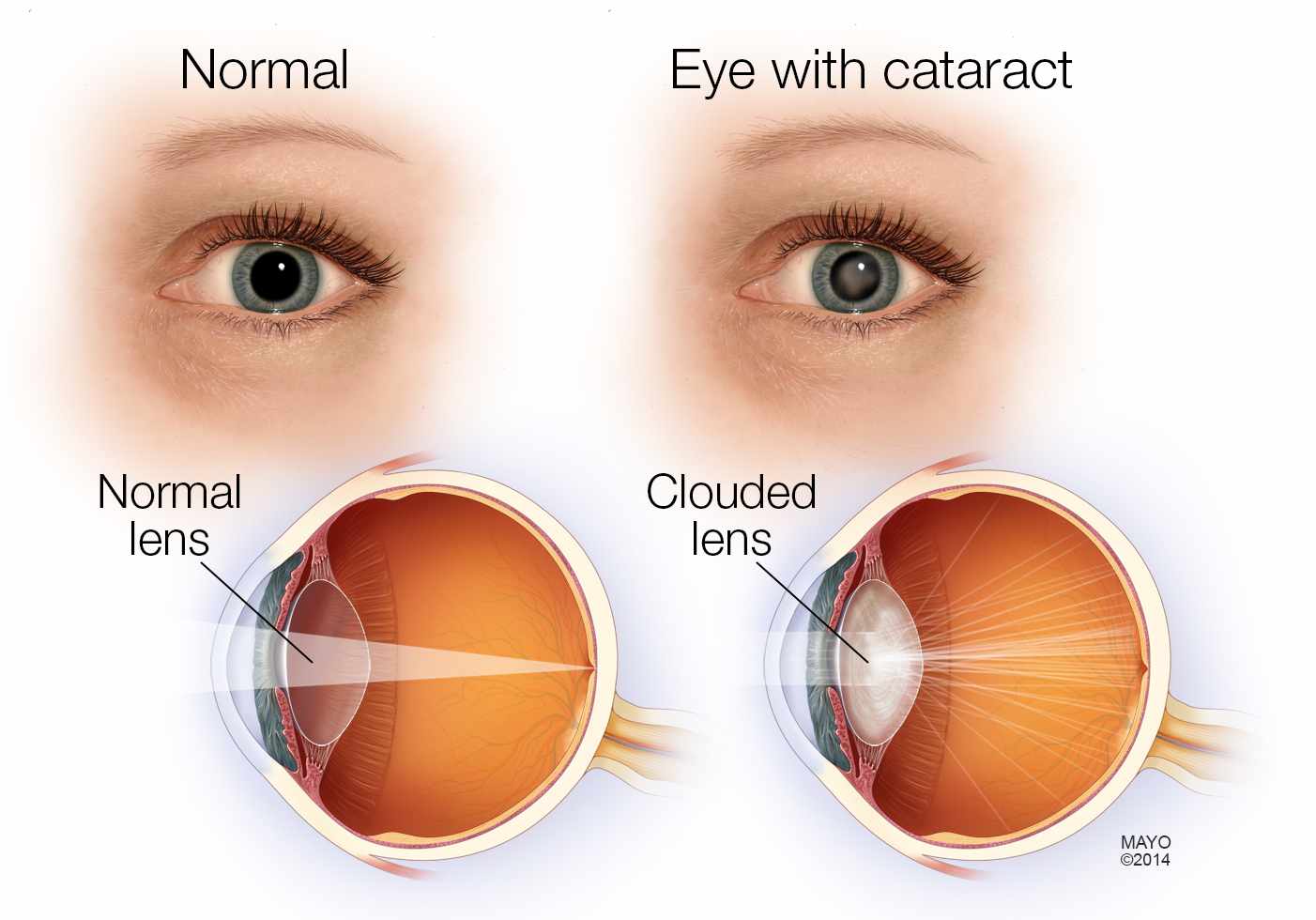
Just about everyone knows someone who has had a cataract or a cataract removed. But what is a cataract and what can you do about them?
A cataract is a cloudiness that develops in the lens of the eye. They usually develop slowly over the course of years and are a leading cause of vision impairment and vision loss.
The lens is a transparent structure in the eye. Its job is to bend light rays so that they form a clear image at the back of the eye (on the retina).
The most common cause of cataracts is ageing. Cataracts are a natural part of ageing and most elderly people with cataracts are healthy and have no other eye disease. Other risk factors include age, diabetes, smoking and alcohol, and being exposed to high levels of UV light and/or air pollutants.
Having cataracts can be like looking through a cloudy or misty window. Even a mild cataract can cause reduced vision and when the lens becomes more opaque vision may be severely reduced.
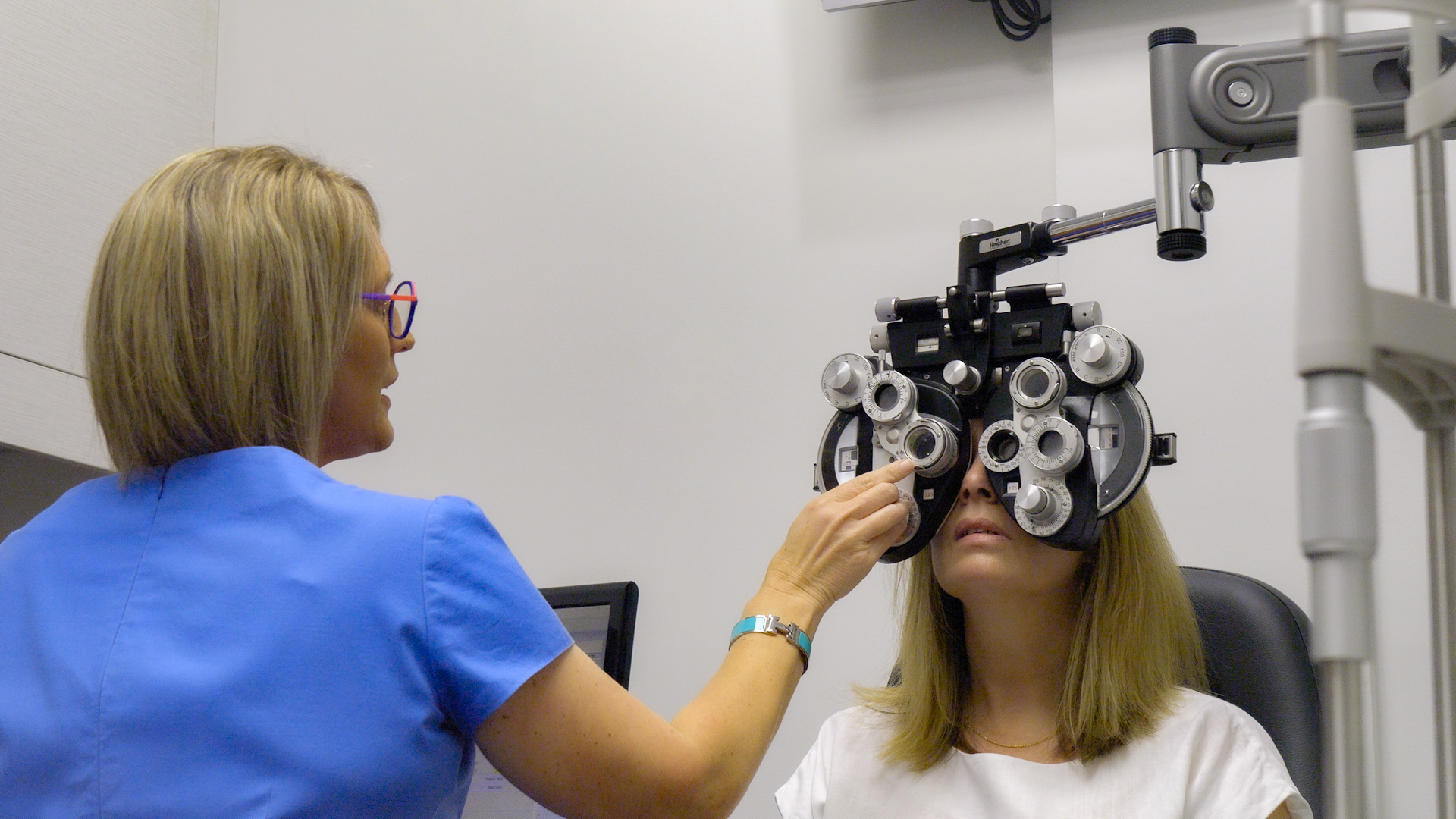
Most people with cataracts come to see their optometrist for an eye examination complaining that their vision is blurry and think they need new glasses. Your vision with an early cataract may be improved with new prescription glasses but they may not give you the same excellent level of vision you used to have.
However, once a cataract progresses to the point that impaired vision reduces a person’s quality of life, surgery is the only effective treatment. Thankfully, cataract surgery is generally straight forward and there is a very low risk of complications. However, as with any surgery, risk cannot be eliminated completely, so most surgeons would advise you to wait until your vision is significantly impaired and cannot be corrected with glasses before proceeding to surgery.
Your optometrist will be able to advise you when surgery is appropriate.
Surgery involves removing the cataract lens from the eye and implanting a man made lens to take its place.
To reduce your risk of developing cataracts, lifestyle can play a big part and really the same things that are good for the rest of your body are good for your eyes. These include a healthy diet and regular exercise, no smoking and protecting your eyes from the sun.
A thorough eye examination with your Optometrist can detect signs of cataracts as well many other eye conditions.
Information sourced from www.nzao.co.nz and www.blindfoundation.org.nz