
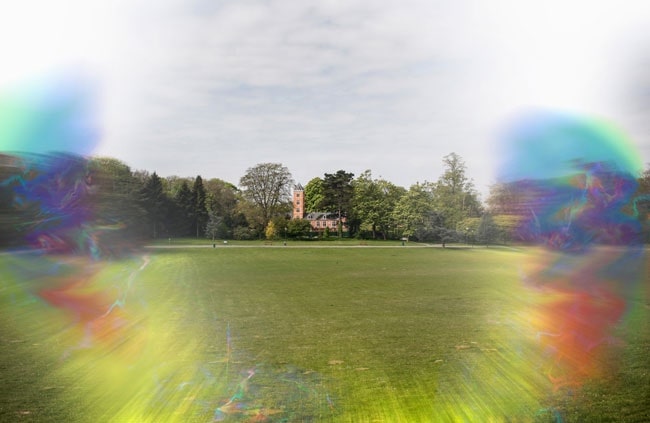
What is an ocular migraine?
An ocular migraine refers to temporary visual disturbances that can occur with or without a headache. These episodes are often linked to migraine activity affecting the visual system and can be surprising if you’ve never experienced one before.
People commonly describe seeing:
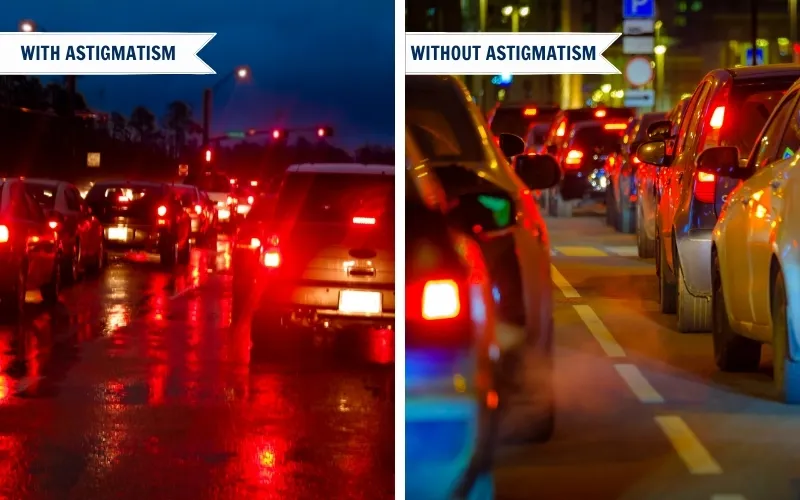
- Flashing or flickering lights
- Zigzag or shimmering patterns
- Blind spots (known as a scotoma)
- Distorted or wavy vision
These visual symptoms typically develop gradually and last between 5 and 30 minutes before resolving on their own.
Ocular migraine vs retinal migraine
You might hear different terms used, and they’re not quite the same:
- Ocular migraine (visual aura): Usually affects both eyes and is linked to migraine activity in the brain
- Retinal migraine: A rarer condition that affects only one eye and can cause temporary vision loss
If you’re unsure which you’re experiencing, it’s always best to get it checked.
What causes ocular migraines?
The exact cause isn’t fully understood, but ocular migraines are thought to be linked to changes in blood flow and electrical activity in the brain.
Common triggers can include:
- Stress or anxiety
- Lack of sleep or fatigue
- Dehydration
- Bright or flickering lights
- Hormonal changes
- Certain foods or caffeine
Identifying your personal triggers can be key to reducing how often episodes occur.